BOTTLE FORMATS AND CLOSURES
- Bottle: 200 ml, 375 ml, 500 ml, 750 ml (including tapered), 1500 ml Magnum
- Closure: Cork, screw cap, STELVIN® LUX screw cap, crown cap
- Capsuling: PVC, polylaminate or tin, wax droplet


Still wine bottling is our primary field of activity, with over 30 million bottles filled since 2012. The entire process is carried out directly at your facility using one of our high-performance lines, which can be adapted to your specific needs.
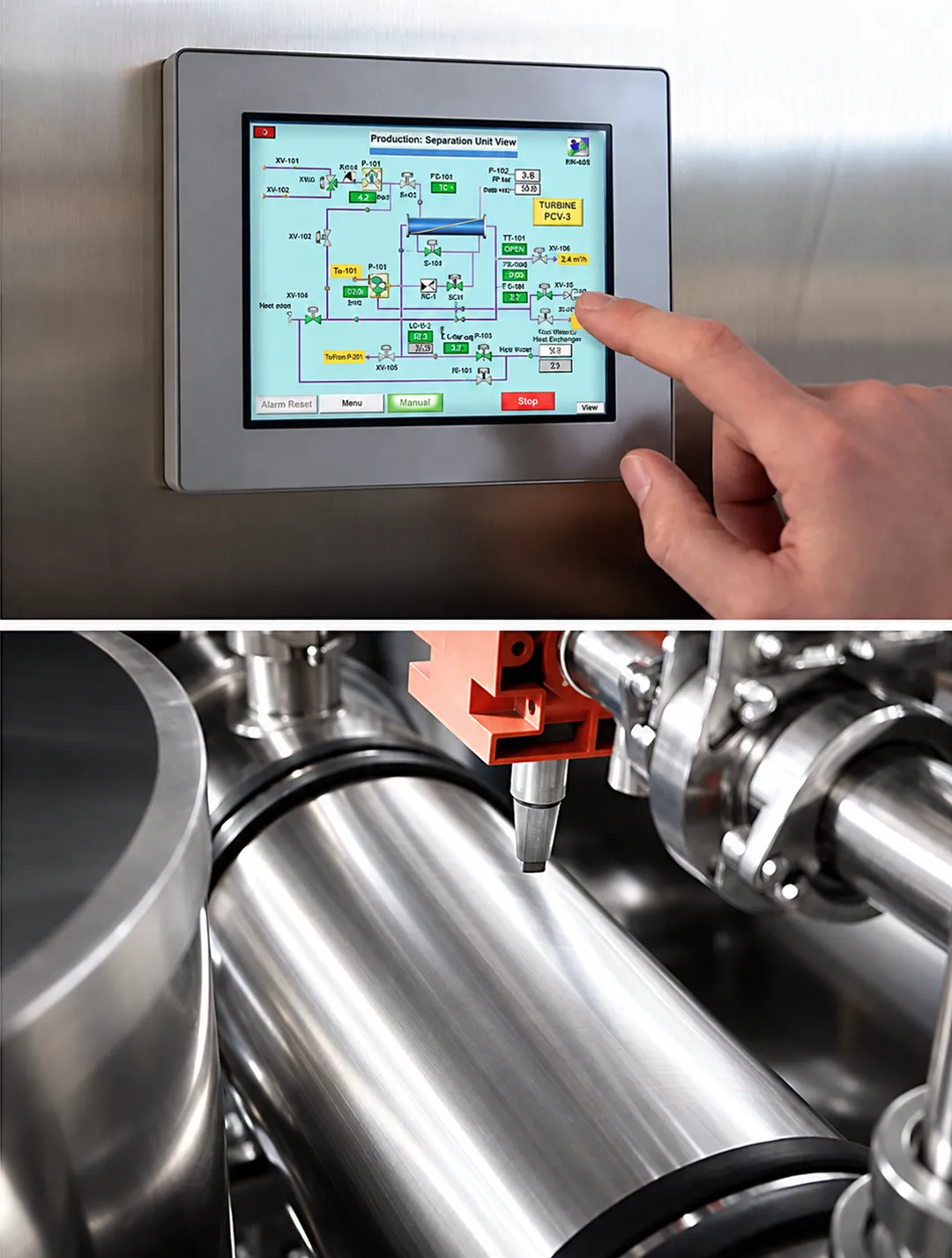
Our two mobile still wine bottling plants complement one another; Unit 3200, a 53-foot trailer, was designed to handle our largest daily production runs. Meanwhile, Unit 2200, a 36-foot trailer, easily accesses tighter spaces and is perfectly suited for bottling operations involving numerous product batches. Both bottling trailers feature identical high-end equipment and quality control systems.
Our bottling plants are designed using cutting-edge technology. Our bottling services combine quality, flexibility, and efficiency. They are equally suited for wine, cider, or mead producers and cover Quebec, Ontario, the Maritimes, as well as the Eastern United States.
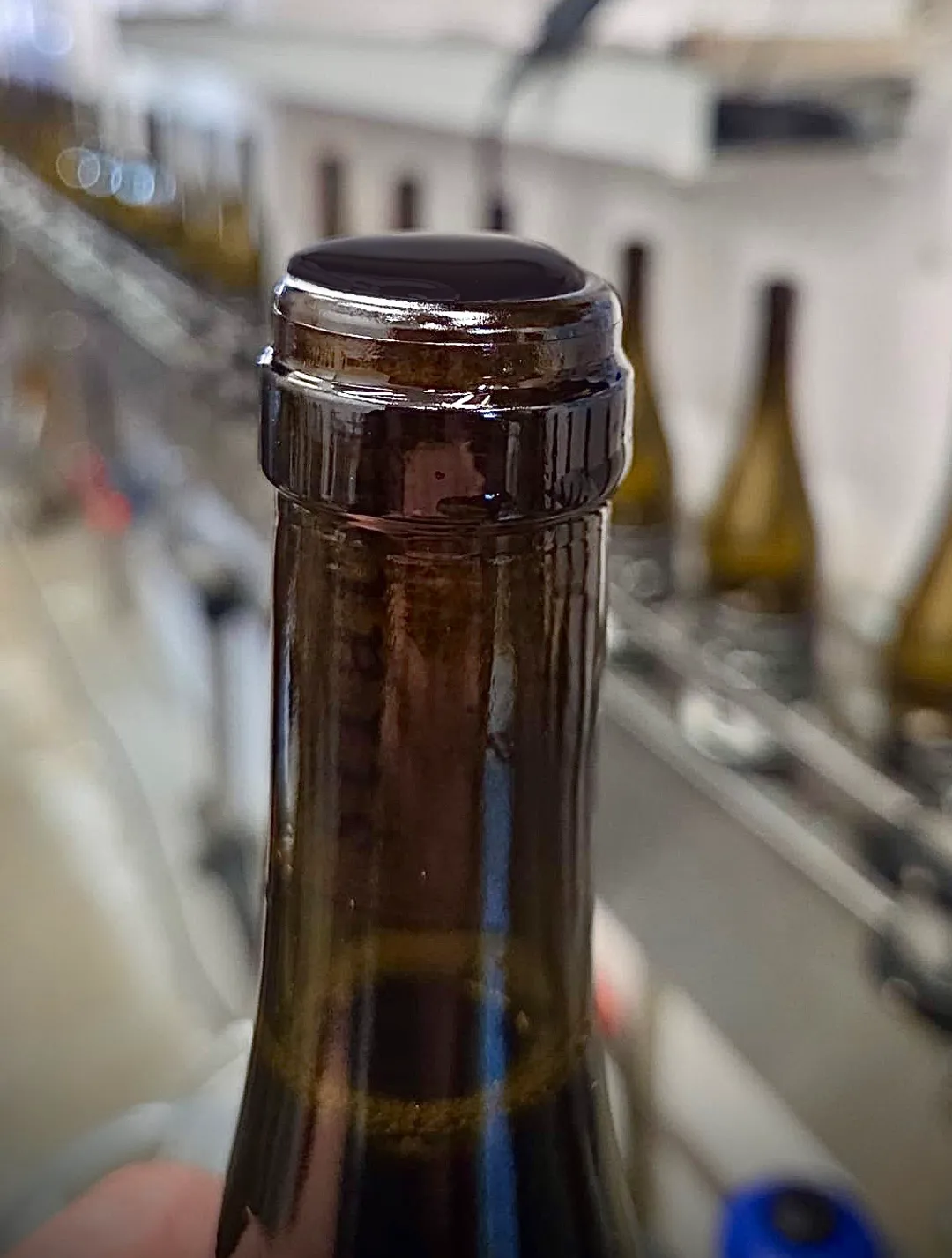
Inline automated wax droplet application
We are now equipped with the latest sealing wax dosing technology. Utilizing optical detection and precision temperature control, our dosing system applies a wax droplet onto the closure, sealing the bottle in an elegant and eco-friendly manner.
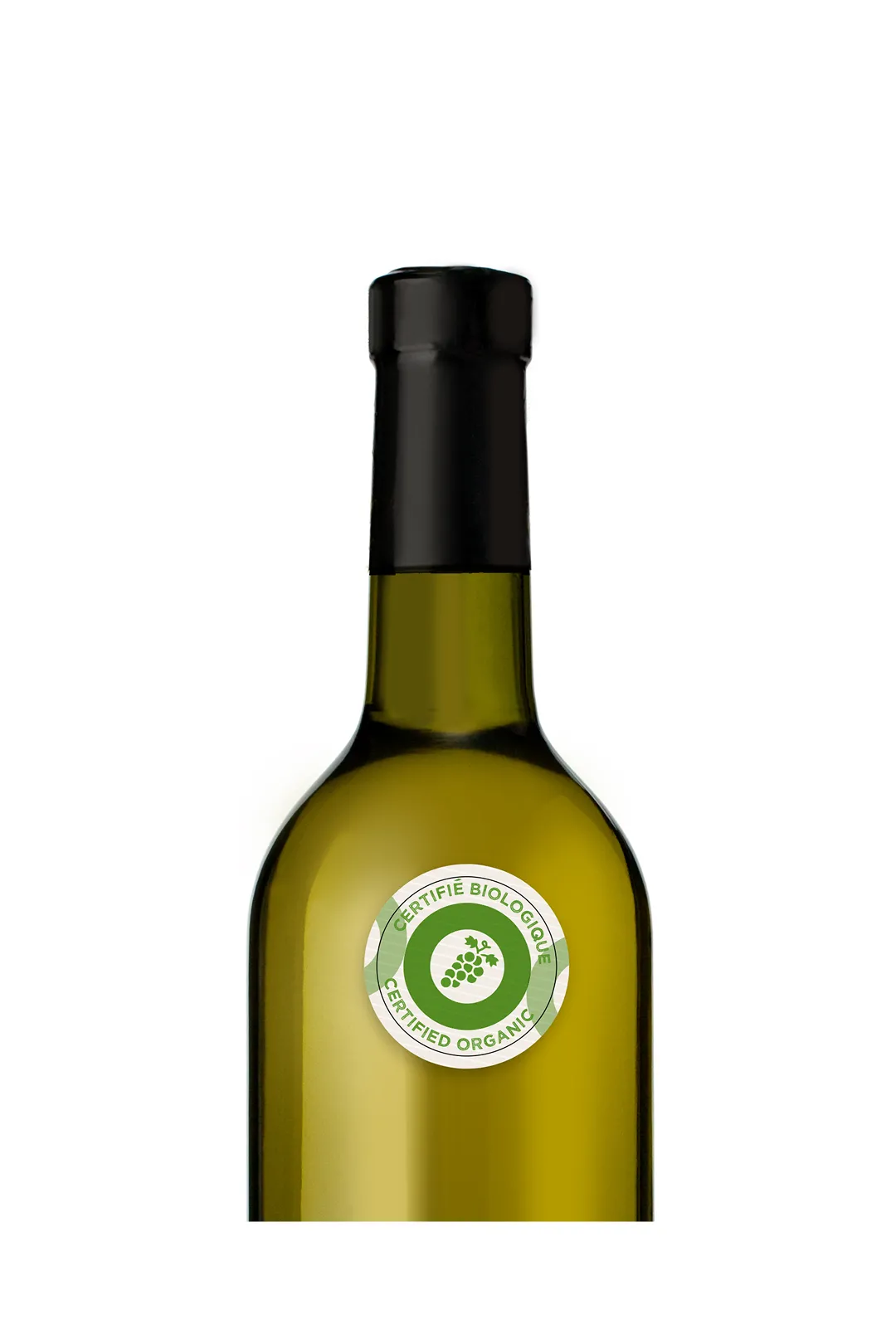
Our linear pressure-sensitive labeller is equipped for the application of front/back label sets, full-wrap labels, neck bands, and medallions.
Both of our still wine bottling plants are equipped with a dual inline dosing system. This system allows for the addition of CMC and/or acacia gum during bottling, immediately following sterile filtration at 0.45 µm. These additives, generally supplied by VINISERVE, are offered at a per-liter unit price.
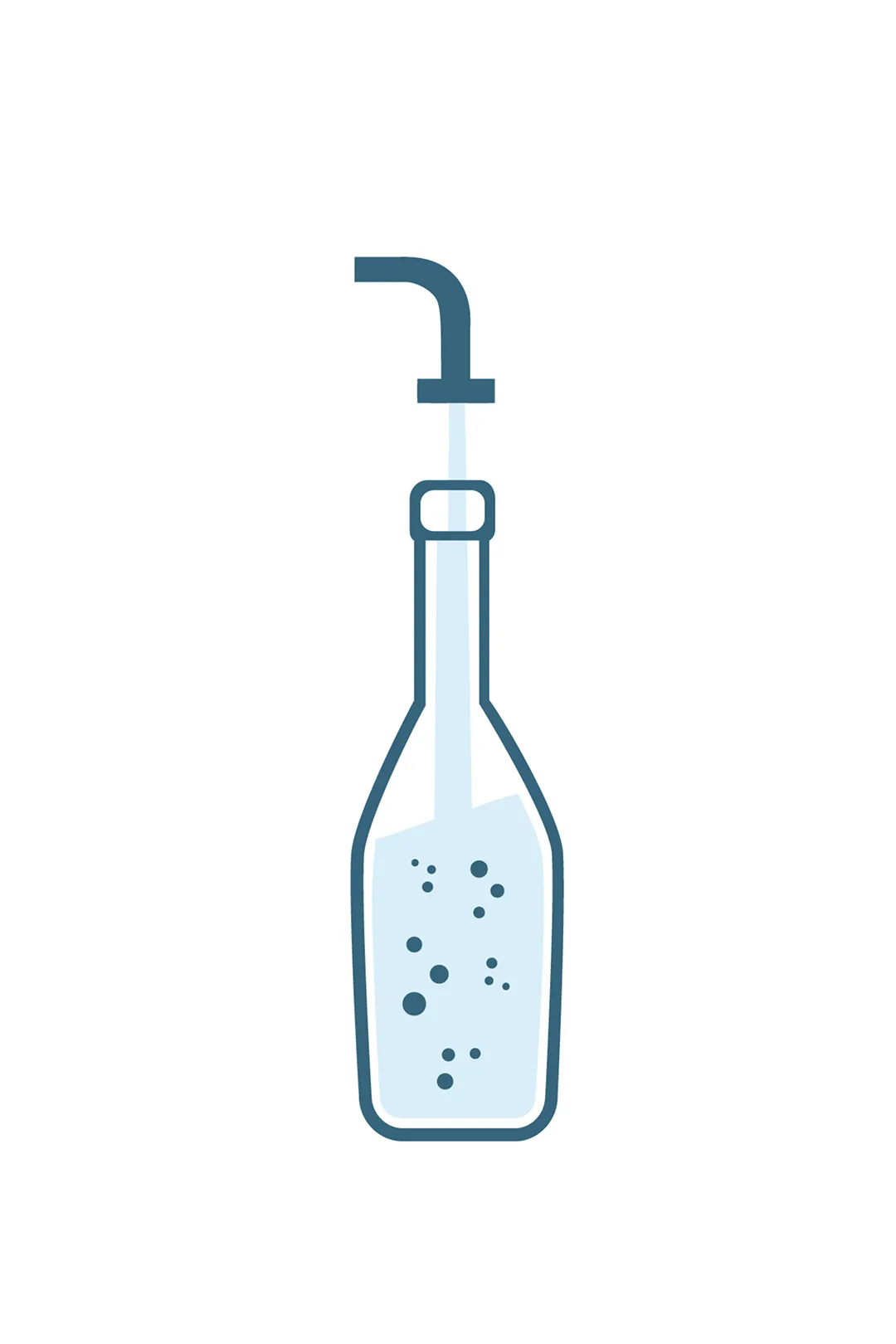
Through molecular membrane technology, we can adjust the levels of dissolved gases in the wine inline during bottling.
The system primarily allows for the control of oxygen and carbon dioxide levels. It can also eliminate hydrogen sulfide (reduction) and acetaldehyde (oxidation). The benefits are numerous, including enhanced aromatic and sensory characteristics, as well as a reduction in the use of SO2.